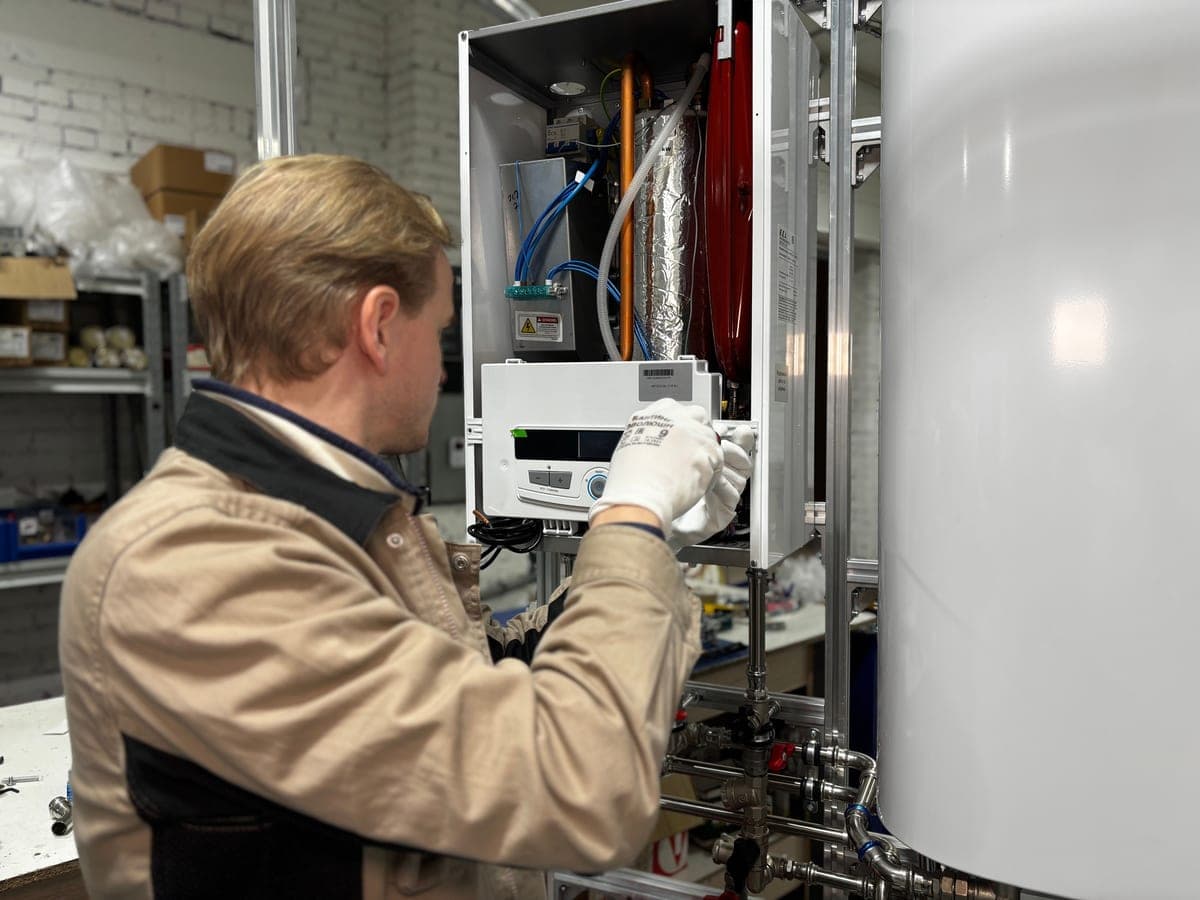
Most water heater noise is sediment. Mineral scale settles on the tank floor, water trapped underneath boils through it, and you hear popping, rumbling or a kettle-like crackle during a heating cycle. Screeching or whistling points to a restricted valve instead, and a loud bang or a hiss near a gas unit is the one combination you should treat as urgent.
Match the Sound to the Cause
Water heaters make a surprising number of noises, and the sound itself narrows the cause down fast. Listen for when it happens: during a heating cycle, right after someone shuts off a tap, or constantly. That timing is half the diagnosis.
- Popping, crackling or a sound like a kettle coming to the boil, only while heating: sediment on the tank floor with water boiling through it. The most common cause by a wide margin, and not an emergency.
- Deep rumbling or a low roar while heating: a heavier sediment layer being disturbed as water moves through it, or on a gas unit the burner firing against a scaled tank bottom.
- Screeching, squealing or whistling: water forced through a partly closed or restricted valve. Usually the cold inlet valve, the drain valve or the temperature-and-pressure relief valve.
- A single sharp bang or hammer sound when a faucet or appliance shuts off: water hammer in the pipes rather than the heater itself, often worse when system pressure is high.
- Ticking or light tapping shortly after a heating cycle: metal expanding and contracting, including the heat trap nipples on the inlet and outlet. Usually harmless.
- Sizzling or hissing at the base of the tank: water contacting a hot surface, which can mean a leak. On a gas unit, a hiss plus any gas smell is an emergency, not a noise problem.
- Humming on an electric unit: a heating element vibrating in the water flow. Annoying, rarely serious, and sometimes fixed by tightening the element.
Why Sediment Is the Usual Answer in North Texas
North Texas surface water carries a meaningful mineral load, and a water heater is where that shows up first. Every time the tank heats, dissolved calcium and magnesium drop out of solution and settle on the bottom as scale. Over years the layer thickens.
The noise is simply physics. On a gas unit the burner sits directly under the tank floor, so the scale layer gets heated from below with a thin film of water trapped inside it. That water flashes to steam, forces its way up through the scale and collapses, which is the popping and rumbling you hear. On an electric unit the lower element ends up buried in the layer and the same thing happens around it.
This matters beyond the noise. A scale layer insulates the heating surface, so the unit runs longer to deliver the same hot water, and it holds heat against the steel tank, which speeds up the corrosion that eventually ends the heater's life. A noisy tank is usually telling you it is working harder than it should be.
A yearly flush is the standard answer, and in a hard-water market it is one of the few pieces of plumbing maintenance that reliably pays for itself. Once the scale has hardened into a solid crust, though, a flush will not fully clear it, which is why an old noisy tank often stays noisy.
Safe First Steps You Can Take Yourself
If the noise is popping or rumbling and there is no water on the floor and no gas smell, you have time. These steps are safe for a homeowner and will either quiet the tank or tell you what to report to a plumber.
- Confirm when the noise happens. Run a hot tap for two minutes, then listen. If the noise starts a few minutes later and fades, it is tied to the heating cycle, which points to sediment.
- Check the floor and the pan under the tank for any water, and look at the discharge tube from the T&P valve. Water there changes the problem from noise to leak, and our water heater leaking guide covers that sequence.
- Check the thermostat setting. A tank running hotter than it needs to boils sediment harder and adds scald risk. Around 120 degrees Fahrenheit is the usual recommendation; turn it down and listen again over a day or two.
- If you hear screeching, trace it by touch and ear to a specific valve. Make sure the cold inlet valve on top of the tank is fully open, not half closed from a previous repair. A partly closed valve is the single most common cause of that sound.
- Consider a drain-and-flush. With the power or gas off and the cold inlet closed, a garden hose on the drain valve will clear loose sediment. If you are not comfortable with that sequence, or the drain valve is old and brittle, leave it to a plumber: a drain valve that snaps open on a full tank is a flooded garage.
- Do not try to open or test the temperature-and-pressure relief valve to stop a screech. That valve is the tank's last safety device and it can fail to reseat, turning a noise into a flood.
When to Stop and Call a Licensed Plumber
Some water heater noises are a maintenance item. A few are a warning. The line is clearer than people expect, and it is drawn around gas, pressure and water on the floor.
- Any gas smell near a gas water heater, with or without a hiss: leave the building, do not touch switches, and call your gas utility from outside. This is an emergency and not something to diagnose.
- Water visible on the floor, in the pan, or running from the T&P discharge tube: shut the water and the power or gas off and get a plumber. A discharging T&P valve means the tank is over temperature or over pressure.
- A loud bang from the heater itself, as opposed to the pipes: have it inspected before using it again.
- Screeching that continues with every valve confirmed fully open: a restricted or failing valve needs replacing, and the T&P valve in particular is not a DIY part.
- Rumbling that a flush did not quiet on a unit past about eight years old: the scale has hardened and you are now deciding about replacement, not repair.
- Any noise accompanied by water that is scalding, discolored or smells of rotten eggs: that combination points to thermostat or anode rod problems that need testing.
What It Costs to Chase a Noisy Water Heater
We are a free referral service and we do not set prices, so we will not quote you a number. What we can do is show what independent publishers report nationally for the specific jobs a noisy tank usually turns into, with the dates those figures were published.
In practice the common outcomes are a flush, a valve, or a replacement. The first two are inexpensive relative to the third, which is why diagnosing the sound properly is worth doing before anyone opens anything.
| Service | Published national figure |
|---|---|
| Inspection, flush and cleaning (the usual sediment fix)Fixr.com, Water Heater Repair Cost, updated August 29, 2025 | $100 - $250 |
| Any valve - general repairFixr.com, updated August 29, 2025; the screeching-valve case | $75 - $150 |
| Pressure relief (T&P) valve - replacementFixr.com, updated August 29, 2025 | $100 - $250 |
| Heating element - replacementFixr.com, updated August 29, 2025; the humming-element and buried-element cases, electric units only | $200 - $750 |
| Anode rod - replacementFixr.com, updated August 29, 2025; relevant where noise comes with smelly or discolored hot water | $125 - $300 |
| Water heater repair - overallFixr.com, updated August 29, 2025, national average $450. This Old House, Plumbing Cost Guide, updated June 6, 2026, gives the same $150 to $750 band | $150 - $750 |
| New water heater installed (if the tank is done)This Old House, Plumbing Cost Guide, updated June 6, 2026 | $800 - $2,000 |
These are national figures published by Fixr.com and This Old House on the dates shown - not Dallas Best Plumber's prices, not a quote, and not specific to Dallas-Fort Worth. We are a free referral service: we do not set prices and we do not perform work. A noisy tank can also turn out to need nothing but a thermostat adjustment, which costs nothing.
Sources: Fixr.com - Water Heater Repair Cost (updated August 29, 2025); This Old House - Plumbing Cost Guide (updated June 6, 2026)
Preventing It Coming Back
Sediment noise is cumulative, so the fix is a habit rather than a repair. Three things make the biggest difference in a hard-water market, and none of them is expensive.
Flush the tank yearly. Even a partial flush that pulls out the loose material slows the build-up of the hardened layer that eventually cannot be cleared.
Check the anode rod every few years. It is a sacrificial metal rod that corrodes so the tank does not, and in hard water it depletes faster. A depleted rod does not cause noise directly, but it shortens the life of the tank that the noise is already stressing.
Consider treating the water. A water softener reduces the mineral load reaching the heater, which slows scaling across the whole plumbing system rather than just the tank. Whether it pays back depends on your water and how long you plan to stay, and our water softener installation cost guide covers the published figures.
- Flush the tank once a year, or twice if the noise returns quickly.
- Keep the thermostat near 120 degrees Fahrenheit rather than higher, which reduces both scaling and scald risk.
- Have the anode rod checked at the same visit as a flush, since the tank is already being drained.
- If the heater is in an attic or over finished space, make sure the drain pan and its line are clear, because noise is often the first warning on a tank that will eventually leak.
- Keep the cold inlet valve fully open and labeled, so nobody creates a restriction while working on something else.
Get Matched With a Licensed Dallas-Area Plumber
Dallas Best Plumber is a free referral service, not a plumbing company. Describe the sound, when it happens and roughly how old the unit is, and we match you with a licensed, insured plumber serving your ZIP who can flush the tank, test the valves or tell you honestly that it is time to replace it. They call you with a free, no-obligation quote.
If the noise comes with water on the floor, a discharging relief valve or any gas smell, handle the shut-offs first. Our guides on a leaking water heater and on shutting off the water to your house both walk through that in order.
Still stuck? Get matched with a licensed local pro
We'll connect you with a licensed, insured plumber in the Dallas-Fort Worth area for a free, no-obligation quote.
Related guides
- Water Heater Repair CostMost water heater repairs are a part, not a tank. Here is what independent cost publishers report for each one, and when the repair stops making sense.
- Why Is My Water Heater Leaking (and What to Do)?From the top or the bottom, here is what a leak means and the first moves to make.
- How Long Do Water Heaters Last?Typical service life, what shortens it in North Texas, and the signs that mean you are shopping rather than repairing.
- No Hot Water? Troubleshooting Gas and Electric Water HeatersA gas and electric troubleshooting checklist to get your hot water back, plus when to call a pro.
- Water Softener Installation CostPublished national ranges, cited - plus the plumbing work at your house that decides which end of them you land on.
Frequently asked questions
Is a water heater making noise dangerous?
Popping and rumbling from sediment is not dangerous, just inefficient. The sounds that matter are a hiss or any gas smell near a gas unit, which is an emergency, a loud bang from the heater itself, and sizzling at the base, which usually means water is reaching a hot surface. Those need a plumber, not a flush.
Why does my water heater sound like popcorn or a kettle?
That is sediment. Mineral scale settles on the tank floor, water gets trapped under the layer, and during a heating cycle it flashes to steam and forces its way up through the scale. North Texas water is mineral-rich, so it is common here. A flush usually quiets it if the layer has not hardened.
Will flushing my water heater stop the noise?
Often yes, if the sediment is still loose. On an older tank the layer can harden into a crust that a flush will not lift, and the noise stays. Flushing is still worth doing because it slows further build-up, but on a tank past about eight years a persistent rumble is usually a sign you are nearing replacement.
What does it mean when a water heater screeches or whistles?
Water being forced through a restriction, almost always a valve that is partly closed or failing. Check that the cold inlet valve on top of the tank is fully open first, since that is the most common cause. If every valve is open and the sound continues, have a plumber check the drain valve and the temperature-and-pressure relief valve.
Can I keep using a noisy water heater?
If the noise is sediment-related popping or rumbling, there is no water on the floor and the relief valve is not discharging, yes. Get it flushed and keep an eye on the pan. If you see water, smell gas, or the relief valve is dripping, stop using it, shut off the water and the power or gas, and get it looked at.
How do I know if the noise means my water heater is failing?
Age plus persistence. A noisy unit under about six years old almost always just needs a flush. Rumbling that survives a flush on a unit past eight to ten years, especially alongside slower recovery or rusty hot water, points to a heavily scaled tank nearing the end of its life. Our guide on how long water heaters last covers the signs in order.