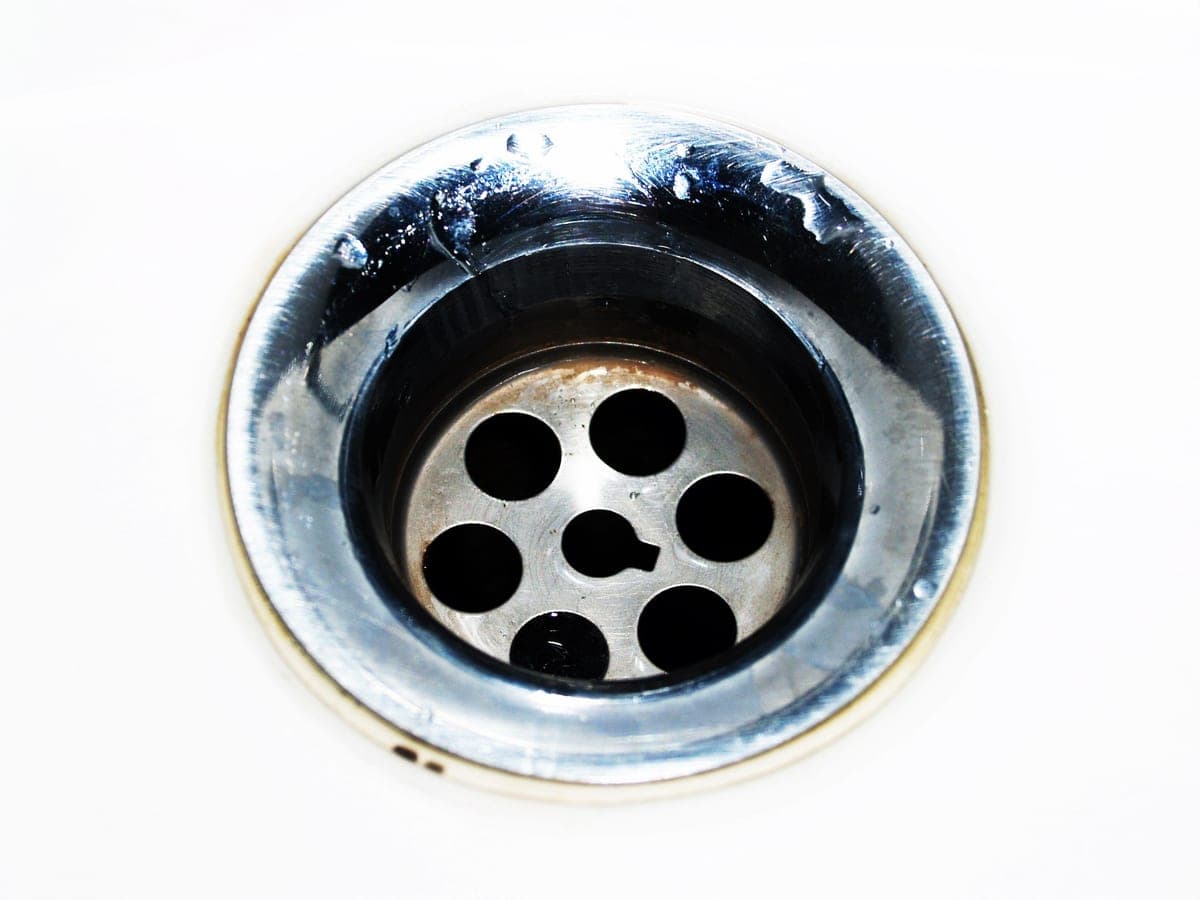
Irving, Texas - drain cleaning
Drain Cleaning in Irving, TX
Slow drains, a gurgling toilet, or a backup at the lowest drain in the house? Get matched with a licensed, insured Irving plumber - free quote.
Get a free quote in Irving
Matched with a licensed local pro - fast.
Drain cleaning in Irving is really two different jobs depending on where in the city you are. A big share of south and central Irving was built from the 1950s through the 1970s, and those homes have cast-iron drain and sewer lines that are now old enough to be failing on schedule - scaled, narrowed, and cracked at the joints. Las Colinas and Valley Ranch went up largely in the 1980s with more modern materials, but with a great deal of attached housing where your drain line is part of a shared system.
Dallas Best Plumber is a free referral service, not a plumbing company. Tell us which fixtures are affected, how long it has been building, whether it has been cleared before, and whether you are in a house, a townhome or a condo - and we match you with a licensed, insured local plumber who calls you back with a free, no-obligation quote.
The sections below cover what cast iron does as it ages in south Irving, the root intrusion that follows a cracked joint, the shut-off and shared-stack questions that come with Las Colinas and Valley Ranch housing, and when a camera inspection is the thing actually worth paying for.
Cast iron in south and central Irving, and what it does with age
South and central Irving - the established neighborhoods near downtown and University Hills - are dominated by 1950s through 1970s ranch and split-level houses on slab foundations. In those homes the drain and sewer lines are cast iron, and both are now old enough to be failing predictably. Cast iron scales and corrodes from the inside, losing diameter until anything passing through has something to catch on, and it cracks and separates at the joints from the outside.
That changes the meaning of a repeat clog. In a newer home a line that blocks twice usually points at a habit or one specific defect. In a sixty-year-old Irving home it frequently points at the pipe itself: there is simply less diameter than there was, the interior is rough, and grease and debris accumulate on that roughness faster each time. Clearing it works, and then it works for a shorter period each time - which is the pattern that tells you to stop paying for clearings and pay once for a camera inspection.
The practical advice is to track the interval. A line cleared a year ago and blocked again is ordinary. A line cleared three times in eighteen months is telling you something about its condition, and the camera is what converts that suspicion into a decision you can budget for - whether you are managing an old-but-sound line or scheduling a repair.
- South and central Irving: cast-iron drain and sewer lines in 1950s-70s housing
- Scale and corrosion narrow the bore from the inside
- Cracks and separated joints let roots in from the outside
- A shortening interval between clogs is the signal to camera the line
Roots, grease and wipes - the three things in the line
Once a cast-iron or clay joint has cracked, roots follow the moisture seeping out of it, work into the joint, and keep growing. That is the single most common reason an older home ends up with a slow, gurgling or backed-up main line, and the symptoms are characteristic: multiple fixtures slowing at the same time, a toilet gurgling as air moves past a partial blockage, a faint sewer smell, and a backup that hits the lowest drain in the house first - often a downstairs tub or a floor drain in a garage or laundry.
Grease is the second. Cooking grease goes down a kitchen sink as a liquid and hardens on the inside of the line, and in a cast-iron drain that has already lost diameter there is very little room to spare. A cable punched through grease leaves a hole in a grease-lined pipe, which is why a cabled kitchen line in an older Irving home is often slow again within months while a jetted one stays clear far longer.
The third is so-called flushable wipes. They do not break down like toilet paper, and in a line with roots or rough cast iron they snag and build into a blockage. If your home has had recurring backups, keeping wipes, paper towels and grease out of the system is the cheapest intervention available - and it is worth doing while a licensed plumber establishes whether the line itself needs attention.
- Gurgling toilets or a sewer odor - air moving past a partial blockage
- The lowest drain in the house backing up first
- Multiple fixtures slowing at the same time
- Repeat clogs returning within weeks of being cleared
Cleanouts, yard lines and permits in Irving
Access decides a lot about a drain job. An accessible exterior cleanout lets a plumber get a cable or a jetter into the main line properly and run a camera the length of it. Many older Irving homes do not have one, and installing a cleanout is frequently the right first investment rather than something to work around - every future inspection or clearing on that line will use it.
It is also worth distinguishing a drain problem from the other things that go wrong outside an Irving house. Plenty of plumbing problems here start outdoors: hose bibs crack from winter freezes, irrigation systems develop leaks that quietly run up a water bill, and the yard line carrying water from the meter to the house can fail on older properties. Because Irving sits along the Elm Fork of the Trinity River, some low-lying yards also stay wet, which can mask a small underground leak. But a water leak raises your bill and a drain problem does not - if your bill has not changed and your drains have, you are looking at the drain side.
On permits: routine drain cleaning does not require one. The City of Irving does require permits for major plumbing work such as sewer line repair and replacement, and in Texas that work must be done by a state-licensed plumber who pulls the permit so it is inspected. If a camera inspection turns a cleaning into a repair, confirm the permit is in the quote - and if you are in an HOA or a condo, check whether the association has requirements of its own.
Cable, jetter, or camera first?
A cable machine spins a steel cutting head through the blockage and restores flow. For a single hair or soap clog in a bathroom line it is the right tool and the cheapest one. Hydro jetting puts high-pressure water through a nozzle that scours the pipe wall and flushes material back toward the cleanout, which is what grease, scale and root mass actually require.
In Irving the order matters more than the choice. In a house built before about 1975 - which is most of south and central Irving - a camera should go down the line before a jetter does. Cast iron that has lost significant wall thickness can be opened up by high-pressure water rather than cleaned by it, and older laterals may be clay tile, which is jointed and brittle. The camera tells the plumber what the pipe is made of and how much of it is left, which is the difference between a clean and a new problem.
The camera also answers the question you are actually asking, which is whether this will happen again. A line that cameras clean with intact joints is a line you can stop worrying about. A line with roots entering at a specific joint, a belly holding standing water, or a separation has a known future - and knowing that turns a run of surprise backups into a plan. Ask for a second camera pass after the work, and ask to see the footage.
- Single-fixture clog: cable, and no need for anything more
- Grease, scale or roots: jetting, after a camera in pre-1975 housing
- Pre-1975 Irving home: camera before jetter, without exception
- Post-work camera pass to prove the clean and expose hidden defects
What a cleaning cannot fix
Clearing a line restores flow; it does not repair pipe. A separated joint, a collapsed section, a belly where the line has lost its fall and holds standing water, or cast iron with almost no wall left are structural problems, and water at pressure cannot restore the grade of a line that has settled on North Texas clay. Depending on what the camera finds, the answer is a spot repair at the defect, a trenchless rehabilitation, or replacing a section - sometimes without trenching the whole yard.
Roots are the specific case worth naming. Jetting clears root mass and washes it out, which is better than leaving it in the line. What it does not do is close the crack the roots came through, so they return to the same place. That is not a failure of the cleaning; it is information about the pipe, and it is the point at which the conversation should turn to repair options.
And no cleaning changes what goes into the line. If grease and wipes are the cause, the clog returns on schedule whatever tool cleared it. Ask the plumber what they actually pulled out - the answer tells you whether the fix is in your kitchen habits or in the ground.
How we match you with a Irving plumber
Dallas Best Plumber is a free referral service, not a plumbing company. We do not perform the work, set prices, or promise an arrival window on another business's behalf. What we do is put your request in front of licensed, insured plumbers who work in Irving, with the details they need to call you back quickly. The form takes about two minutes, and the quote is theirs and free.
1. Tell us the problem
Share what's happening, your ZIP code, and how urgent it is. It takes about two minutes — no phone tag.
2. We match you with a licensed local pro
We connect you with a licensed, insured plumber who serves your area and handles your type of job.
3. They call you back with a free quote
Your matched pro reaches out with a free, no-obligation quote. You decide whether to move forward.
Other Irving services covered in depth
Related
- Plumbers in Irving, TXThe full Irving page - water supply, housing stock, local problems and permits.
- Drain Cleaning across Dallas & DFWClogged, slow, or backing up? Get matched with a licensed local drain pro for snaking, hydro-jetting, and camera inspection - free, no-obligation quote.
- Water Heater Repair in Irving, TXNo hot water in south Irving, Las Colinas or Valley Ranch? Get matched with a licensed, insured local plumber - free, no-obligation quote.
- Emergency plumber in IrvingWhat to do in the first ten minutes, and where the shut-off usually is in a Irving home.
Frequently asked questions
Why do drains clog so often in older Irving homes?
Because of what the pipe is. South and central Irving is dominated by 1950s-70s housing with cast-iron drain and sewer lines, and cast iron scales and corrodes from the inside - losing diameter until grease and debris catch on the roughened interior - while cracking and separating at the joints from the outside. Once a joint has cracked, roots follow the moisture in and keep growing. A clog interval that keeps shortening is the signal to camera the line rather than clear it again.
Several drains are slow at once - what does that mean?
That the problem is in the main line serving all of them rather than in one fixture's branch. The classic pattern is a toilet that gurgles when the washing machine drains, a sewer odor, and a backup that hits the lowest drain in the house first - often a downstairs tub or a garage or laundry floor drain. Stop using water everywhere in the house, because every gallon used anywhere makes it worse, and get it looked at rather than waiting for it to clear.
Is hydro jetting safe on my old cast-iron line?
Sometimes, and that is exactly why a camera goes down first in a pre-1975 Irving home. Cast iron that has lost significant wall thickness can be opened up by high-pressure water rather than cleaned by it, and older laterals may be clay tile, which is jointed and brittle. The camera establishes what the pipe is made of and how much is left. A plumber who insists on inspecting before jetting an older Irving line is protecting you, not padding the bill.
I am in a Las Colinas condo and my drains are backing up - whose problem is it?
It depends on where the blockage is, and that is worth establishing early. In attached housing your fixtures drain into a shared stack, so a blockage can back up into the lowest unit regardless of who caused it. Homeowner associations and condo declarations frequently split responsibility - the line inside your unit may be yours while shared stacks and mains belong to the association. Ask neighbors whether they are seeing anything, and mention you are in a condo when you request the quote so the plumber can document it properly.
My water bill has not changed but my drains are slow - is that a leak?
Unlikely. The drain side of your plumbing is not pressurized and does not pass through your water meter, so a drain problem does not raise your water bill. A climbing bill with nothing visible usually means a pressurized leak - a running toilet, an irrigation fault, a slab leak, or the buried water line between the meter and the house. Slow drains with a flat bill is a drain problem, which is the cheaper of the two conclusions.
Nearby
Drain Cleaning in other Dallas-area cities
Need drain cleaning in Irving?
Tell us what's happening and we'll match you with a licensed, insured local plumber. Free quote, no pressure.
Get a Free Quote