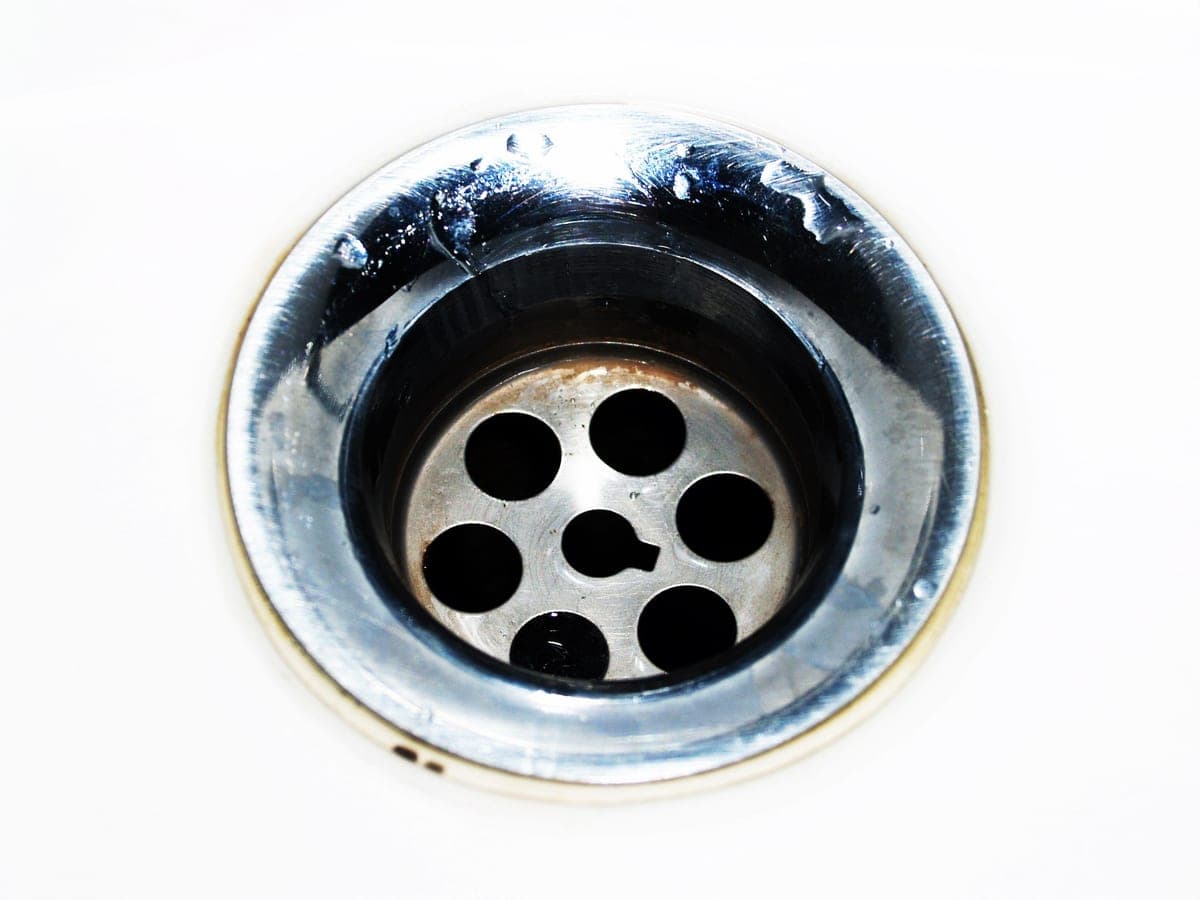
Plano, Texas - drain cleaning
Drain Cleaning in Plano, TX
One slow drain or the whole house backing up in Plano? Get matched with a licensed, insured local plumber - free, no-obligation quote.
Get a free quote in Plano
Matched with a licensed local pro - fast.
Drain problems in Plano behave differently from drain problems in the older parts of the metroplex, and knowing that saves you money. Most of Plano was built from the 1980s into the 2000s, so the drain and waste lines here are generally plastic rather than the cast iron of pre-1970 housing. Plastic does not scale and corrode from the inside, which means a recurring clog in a Plano home is usually telling you something about what is going into the line or about a specific defect - not about a pipe that is rotting out.
Dallas Best Plumber is a free referral service, not a plumbing company. Tell us which fixtures are affected, how long it has been building, and where in Plano you are, and we match you with a licensed, insured local plumber who calls you back with a free, no-obligation quote.
Below: what Plano's build era means for your drains, how to tell a single-fixture clog from a main-line problem before you call, the parts of the city where older housing changes that picture, and when a camera inspection is worth paying for rather than clearing the same blockage again.
What Plano's build era means for your drains
Much of Plano, especially West Plano and the neighborhoods around Legacy and Willow Bend, was built out from the 1980s into the 2000s. Supply lines in that housing are flexible PEX or CPVC, sometimes on a manifold or home-run layout, and the drain and waste lines are generally plastic. That is genuinely good news for drains: plastic pipe has a smooth interior that does not scale, corrode or lose diameter the way cast iron does over fifty years.
The consequence is diagnostic. In a 1960s Richardson or Garland home, a line that clogs repeatedly is often a cast-iron pipe that has lost so much diameter to scale and corrosion that anything passing through catches on it - the pipe itself is the problem. In a 1995 Plano home, a line that clogs repeatedly usually means either a habit (grease, wipes, a disposal doing more than it should) or a specific fault: a joint that was never properly seated, a section with inadequate fall, a vent problem, or roots entering at a single point.
That distinction decides what to pay for. In older housing, a camera inspection is frequently a diagnosis of pipe condition. In Plano it is more often a search for one identifiable defect - and when it finds nothing, the answer is usually about what is going down the drain, which is cheaper to fix than anything a plumber can sell you.
- Post-1980 Plano housing: plastic drain and waste lines, smooth-walled and stable
- Recurring clogs here point at habits or a specific defect, not a decaying pipe
- Older East Plano and Downtown Plano housing is the exception - closer to Richardson in age
- A camera inspection is worth it when the same line clogs more than twice
East Plano, Downtown Plano, and the city's older housing
Plano is not uniformly new, and the exception matters. East Plano and the area around historic Downtown Plano include some of the city's older housing stock, closer in age and construction to neighboring Richardson - which means some of those homes do have cast-iron drain lines with the problems that come with them. Around Los Rios and Hunters Glen you find a mix of established 1970s and 1980s homes, somewhere between the two pictures.
In that older housing the signs to watch for are different. Cast iron scales and corrodes from the inside, losing diameter until grease and debris have something to catch on, and it cracks and separates at joints from the outside. The symptoms are multiple slow drains rather than one, a gurgling toilet, a sewer odor, and backups that always hit the lowest fixture in the house first. Where there are mature trees nearby, roots follow the moisture seeping from a cracked joint and keep growing once they are in.
So the first question a plumber should ask about a Plano drain is how old the house is - and the first thing worth telling them is the same. A 1978 home near downtown and a 2003 home off the Sam Rayburn Tollway have different likely causes for identical symptoms, and the diagnosis that fits one wastes money on the other.
Telling a single-fixture clog from a main-line problem
This is the most useful thing you can work out before anyone comes out, because it changes both the urgency and the cost. If one fixture drains slowly and everything else in the house is normal, the blockage is in that fixture's branch line - a sink trap, a tub drain, a lavatory. That is the straightforward case, it is not an emergency, and a cable is usually the right and cheapest tool.
If several fixtures slow down at the same time, a toilet gurgles when the washing machine drains, or water backs up at the lowest drain in the house when you use a fixture elsewhere, the problem is in the main line that serves all of them. That is urgent in a different way: stop using water in the house, because every gallon used anywhere makes it worse, and get it looked at rather than waiting to see if it clears.
Two-story Plano homes add a wrinkle worth knowing. An upstairs drain problem - a shower that drains slowly, a toilet that is not clearing properly - can present downstairs as a stain on a first-floor ceiling if the issue is a leaking joint rather than a blockage, sometimes a room away from the source. If a slow upstairs drain is accompanied by a ceiling mark or a musty smell below, say so when you request the quote, because that changes what the plumber brings.
- One slow fixture, rest of the house fine - a branch line, not urgent
- Several fixtures slowing together - the main line, stop using water
- Toilet gurgling when the washer drains - air moving past a main-line blockage
- Backup at the lowest drain in the house - main line, urgent
- Slow upstairs drain plus a ceiling stain below - possibly a leak, not a clog
What goes down a Plano drain, and the permit question
In housing with sound plastic lines, habits are the leading cause of repeat clogs. Cooking grease poured down a kitchen sink cools and hardens on the inside of the line and keeps accumulating at low spots and changes of direction. So-called flushable wipes do not break down like toilet paper and snag on anything slightly rough. A garbage disposal handling fibrous or starchy waste contributes a sludge that collects further down the line than most people imagine.
Enzyme drain treatments used regularly can help keep kitchen and bathroom lines clear between professional cleanings, but they are maintenance rather than a rescue for a line that is already blocked. Caustic chemical drain openers are worth avoiding altogether: they sit in a trap or against a blockage, they do not reliably clear a main line, and they make the job hazardous for whoever has to open the pipe afterward.
On permits: a routine drain cleaning does not require one. The City of Plano does require permits for major plumbing work, including sewer line work and repipes, and in Texas that work must be performed by a state-licensed plumber who pulls the permit so it is inspected. So if a camera inspection turns up a broken or separated line and the conversation becomes a repair, confirm the permit is included in the quote you accept.
Cabling, jetting, and when a camera earns its fee
A cable machine - snaking - spins a steel cable with a cutting head through the blockage and makes a path. It is fast, it is the right tool for a single hair or soap clog in a bathroom line, and it is the cheaper option. What it does not do is clean the pipe wall, so where grease or scale lines the pipe it leaves most of it behind.
Hydro jetting puts high-pressure water through a nozzle whose rear-facing jets drive it up the line and scour material off the pipe wall, flushing it back toward the cleanout. That is the right tool for grease, for a line that has been cabled repeatedly and keeps blocking, and for root mass with an appropriate head. In Plano's plastic drain lines jetting is generally straightforward; the caution about jetting applies to the older cast iron found in parts of east Plano, where a line that has lost wall thickness can be opened up rather than cleaned.
A camera inspection is what tells you which of those you need, and it earns its fee when the same line has blocked more than twice. In a post-1980 Plano home it is looking for a specific defect - a poorly seated joint, a section without enough fall, roots entering at one point - and finding or ruling that out is worth more than another clearing. Ask for a second camera pass after the work too: that is what proves the line is clean and reveals anything that was hidden under the buildup.
- Cable: single-fixture clogs, hair and soap, the cheaper tool
- Jetting: grease, scale, roots, and lines that keep blocking
- Camera: after the second repeat clog, or before jetting an older line
- A post-work camera pass is what proves the job
What drain cleaning will not fix
Clearing a line restores flow; it does not repair pipe. If the camera finds a joint that has separated, a section that has collapsed, a belly where the line has lost its fall and now holds standing water, or roots entering through a crack, those are repairs. No amount of cabling or jetting restores the grade of a line that has settled, and in a slab-on-grade city like Plano a line under the slab that has lost fall is a different project from a clog.
The other thing it will not fix is a venting problem. If drains gurgle, empty slowly despite being clear, or smell, the vent system may be obstructed rather than the drain - and chasing that as a clog can go on for a while. A licensed plumber checks for it; it is worth mentioning if gurgling is the main symptom.
Finally, a cleared line does not change the habit that filled it. If grease, wipes or disposal use are the cause, the clog comes back on the same schedule regardless of which tool cleared it. That is not a reason to skip the cleaning - it is the reason to ask the plumber what they actually pulled out of the line, because the answer tells you what to change.
How we match you with a Plano plumber
Dallas Best Plumber is a free referral service, not a plumbing company. We do not perform the work, set prices, or promise an arrival window on another business's behalf. What we do is put your request in front of licensed, insured plumbers who work in Plano, with the details they need to call you back quickly. The form takes about two minutes, and the quote is theirs and free.
1. Tell us the problem
Share what's happening, your ZIP code, and how urgent it is. It takes about two minutes — no phone tag.
2. We match you with a licensed local pro
We connect you with a licensed, insured plumber who serves your area and handles your type of job.
3. They call you back with a free quote
Your matched pro reaches out with a free, no-obligation quote. You decide whether to move forward.
Other Plano services covered in depth
Related
- Plumbers in Plano, TXThe full Plano page - water supply, housing stock, local problems and permits.
- Drain Cleaning across Dallas & DFWClogged, slow, or backing up? Get matched with a licensed local drain pro for snaking, hydro-jetting, and camera inspection - free, no-obligation quote.
- Water Heater Repair in Plano, TXCold shower, rumbling tank, or a tankless unit throwing error codes in Plano? Get matched with a licensed, insured local plumber - free quote.
- Slab Leak Repair in Plano, TXA warm patch on the floor, a bill that keeps climbing, or running water you can hear with everything off? Get matched with a licensed Plano pro - free quote.
- Emergency plumber in PlanoWhat to do in the first ten minutes, and where the shut-off usually is in a Plano home.
Frequently asked questions
Why does my Plano drain keep clogging in the same place?
In post-1980 Plano housing the drain lines are generally plastic, which does not scale or corrode the way cast iron does - so a repeat clog usually means either a habit or a specific defect rather than a decaying pipe. Habits: grease, so-called flushable wipes, heavy disposal use. Defects: a joint that was never properly seated, a section without enough fall, or roots entering at one point. After the second repeat, a camera inspection is worth more than another clearing.
Is a slow drain an emergency?
One slow fixture with the rest of the house normal is not - that is a branch line and it can wait for a scheduled visit. Several fixtures slowing at once, a toilet gurgling when the washing machine drains, or water backing up at the lowest drain in the house means the main line is involved, and that is urgent. Stop using water everywhere in the house, because every gallon used anywhere makes it worse, and get matched rather than waiting to see if it clears.
Should I use a chemical drain opener first?
We would not. Caustic drain openers tend to sit in a trap or against a blockage rather than clearing it, they are unreliable on a main line, and they make the job hazardous for whoever opens the pipe afterward - so tell the plumber if you have used one. Enzyme treatments are a reasonable maintenance habit between cleanings but will not rescue a line that is already blocked. A plunger is worth trying on a single fixture; after that, a cable does the job properly.
Do I need hydro jetting or will snaking do?
For a single hair or soap clog in a bathroom line, a cable is the right and cheaper tool. Jetting earns its place where the pipe wall itself is coated - grease in a kitchen line, scale, or root mass - and where a line has been cabled repeatedly and keeps blocking, because cabling makes a path through the blockage while jetting cleans the pipe. In Plano's plastic lines jetting is generally straightforward; in the older cast iron found in parts of east Plano, a camera inspection should come first.
Does drain cleaning need a permit in Plano?
No - routine drain cleaning does not. The City of Plano does require permits for major plumbing work including sewer line work and repipes, and in Texas that work must be performed by a state-licensed plumber who pulls the permit so it is inspected. So if a camera inspection turns a cleaning into a repair conversation - a separated joint, a collapsed section, a line without fall - confirm the permit is included in the quote you accept.
Nearby
Drain Cleaning in other Dallas-area cities
Need drain cleaning in Plano?
Tell us what's happening and we'll match you with a licensed, insured local plumber. Free quote, no pressure.
Get a Free Quote