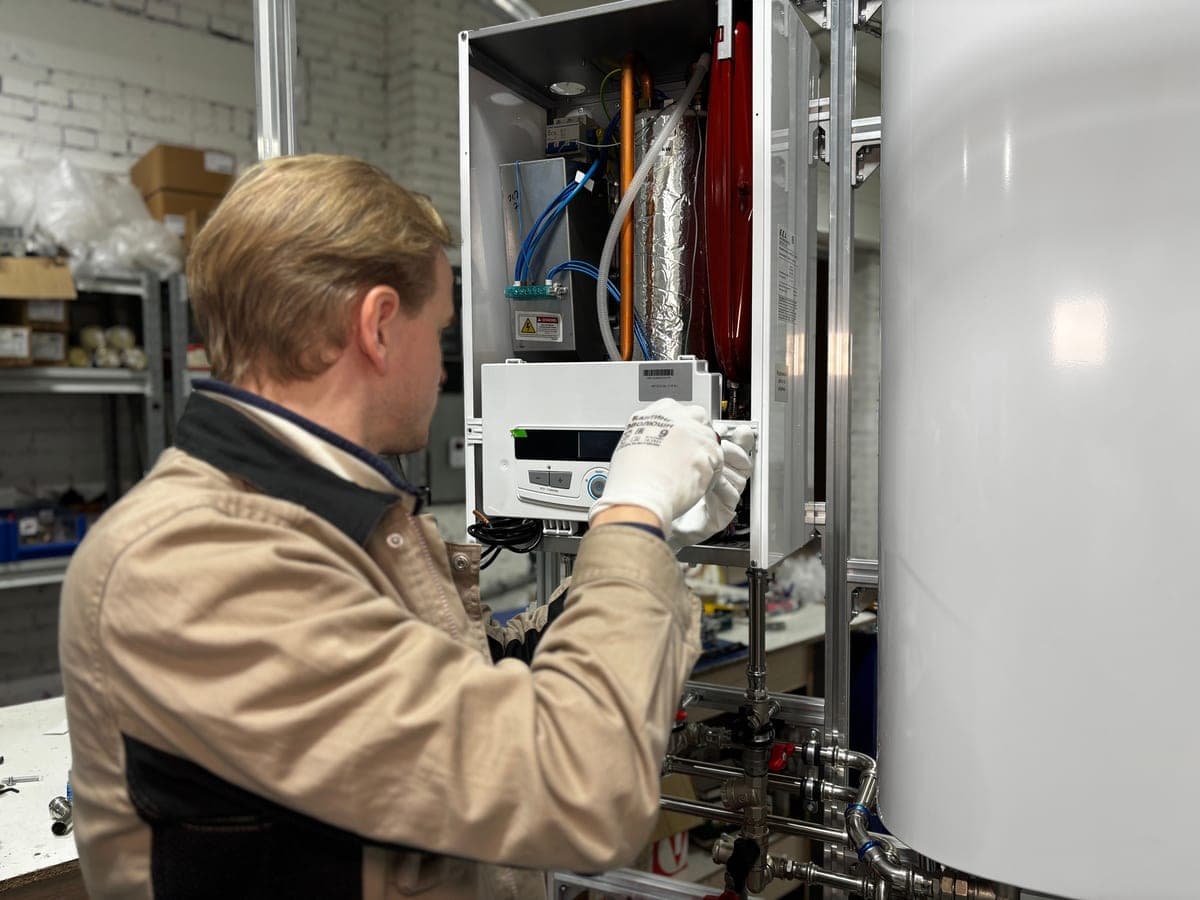
Richardson, Texas - water heater repair
Water Heater Repair in Richardson, TX
No hot water, rusty hot water, or a tank near the end in Richardson? Get matched with a licensed, insured local plumber - free quote.
Get a free quote in Richardson
Matched with a licensed local pro - fast.
Water heaters are the standout plumbing problem in Richardson, and the reason is arithmetic. A huge share of the city - Canyon Creek, Cottonwood Heights, Richardson Heights, the Reservation, the neighborhoods around Duck Creek and Prairie Creek - was built in the 1960s and 1970s. Those homes are now more than half a century old, which means the original heater is long gone, the replacement is often itself aging out, and the installation around it dates from an era with different standards.
Dallas Best Plumber is a free referral service, not a plumbing company. Tell us what the unit is doing, roughly how old the house is, and where in Richardson you are, and we match you with a licensed, insured local plumber who calls you back with a free, no-obligation quote.
The sections below cover Richardson specifically: what a heater replacement involves in a fifty-year-old slab home, the hard water that sets the service life of every unit in the city, the supply-line materials in this housing that can masquerade as a heater fault, and the pressure problems that put a perfectly good heater under stress.
Fifty-year-old slab homes and what sits around the heater
The heart of Richardson's housing stock is the slab ranch home built between about 1960 and 1980. In those homes the water supply lines usually run inside the concrete slab, the drain and waste lines are cast iron, and the water heater is typically in an interior closet or utility space rather than a modern garage alcove. A home built in 1968 is now more than fifty years old, and its plumbing is aging on schedule.
For a water heater call that means the unit on site is probably the second or third, fitted into an installation that largely dates from the original build. A plumber replacing it routinely finds the cold-water shut-off seized with decades of scale, a flexible gas connector old enough to replace on sight, corroded unions where copper meets the steel tank nipples, and a flue correct for the appliance that was there in 1968 but not for a modern one. Richardson's mid-century homes sometimes have aging gas lines worth checking during a heater swap, which is a reasonable thing to raise when you request the quote.
Richardson also has newer housing near the Telecom Corridor, around CityLine and by UT Dallas, with modern PEX or CPVC plumbing. In those homes the issues skew toward worn fixtures, valves and expansion tanks rather than a decades-old installation, and a heater replacement is usually a more straightforward job. A licensed local plumber adjusts to whichever kind of home you have - which is why the age of the house is the single most useful thing to tell them.
- Classic 1960s-70s: Canyon Creek, Cottonwood Heights, Richardson Heights, the Reservation
- Creek corridors: the Duck Creek and Prairie Creek neighborhoods
- Newer: Telecom Corridor, CityLine and the UT Dallas area
- Closet and utility installations, with the surrounding hardware often original
Hard water and the eight-to-twelve-year clock
Richardson is served by hard North Texas water, and hardness is what sets the service life of every tank heater in the city. Dissolved minerals stay in solution in cold water and drop out when it is heated, building a layer on the bottom of the tank that insulates the burner or element from the water. The unit then runs longer for the same result, which shortens its life to somewhere in the range of eight to twelve years.
In a fifty-year-old Richardson home that means the heater has aged out more than once already, and the one in place now is on the same clock. The symptoms arrive in a familiar order: rumbling and popping as water boils under the sediment, hot water that runs out sooner than it used to, a utility bill drifting upward, and then a failure. Rusty hot water points at a spent anode rod or a tank corroding internally, and moisture at the base of the tank is not a repair at all.
What helps is maintenance that nobody enjoys. Flushing a tank annually clears loose sediment before it hardens into a layer no flush will lift. Having the anode rod checked partway through the unit's life protects the tank from the inside. And in a household that has already replaced a heater sooner than expected, a softener addresses the cause for the whole house instead of one appliance at a time.
- Rumbling or popping - water boiling under hardened sediment
- Shorter hot showers as sediment displaces usable tank volume
- Rusty hot water - spent anode rod or internal corrosion
- Moisture at the base of the tank - replacement, not repair
Polybutylene, galvanized pipe, and problems that look like the heater
Because Richardson built out heavily in the 1960s, 1970s and early 1980s, a share of its homes carry supply-line materials that have not aged well - and both can present as a hot water problem. Some houses from the late 1970s and 1980s were plumbed with polybutylene, a gray plastic pipe that was popular for a time and later became known for failing at its fittings and joints. If your Richardson home has gray plastic supply lines and a history of unexplained leaks, that is worth assessing on its own terms rather than treating each leak as an isolated event.
The oldest Richardson homes may instead have galvanized steel supply lines, which corrode internally over the decades and steadily reduce water pressure. Weak flow that has slowly worsened over years is the classic symptom, and it is easy to mistake for a dying water heater when it shows up at a shower. A licensed plumber can identify what you actually have while the heater is open, explain the trade-offs, and quote a repipe in copper or PEX if the supply lines are near the end of their useful life - a job that resolves leaks, pressure and water-quality questions together.
The practical point for a heater call is sequencing. If the complaint is weak hot water flow rather than no hot water, establishing what the pipe is made of comes before deciding the heater is at fault. Replacing a tank that was never the problem is an expensive way to learn what your supply lines are.
Pressure, expansion tanks and permits in Richardson
Water pressure deserves attention in Richardson, especially in homes with original hardware. A pressure-reducing valve on the incoming main protects the whole system, and when it fails pressure can climb high enough to make pipes bang, wear out fill valves and angle stops quickly, and stress the water heater. Given the age of much of this housing, plenty of those valves are original and overdue.
It is worth pairing a pressure check with a look at the heater's expansion tank if the home has one. When a pressure-reducing valve or a check valve creates a closed system, thermal expansion has nowhere to go, and without a working expansion tank that pressure pushes against the tank and the relief valve every time the heater runs - which is why a relief valve weeping onto the floor is so often an expansion problem rather than a faulty valve. Both parts are inexpensive relative to the damage unchecked pressure does over time.
On the paperwork: the City of Richardson requires permits for major plumbing work such as water heater replacement, and in Texas that work must be performed by a state-licensed plumber who pulls the permit so it is inspected. Because Richardson sits across the Dallas and Collin county line, a licensed local plumber will know which processes apply to your address. Confirm the permit is included in any quote you accept. We do not set prices or do the work - we connect you with a licensed local pro, and the free quote is theirs.
Repair or replace in a fifty-year-old house
The fault list is short and familiar. No hot water on an electric unit is often a failed element or thermostat, usually a repair. On gas it is frequently a thermocouple, a pilot assembly or a gas control valve, also usually a repair. Hot water that runs out quickly points at sediment or a weak element. Rusty hot water suggests a spent anode rod or a corroding tank. A weeping relief valve should be diagnosed as a pressure or expansion problem before anyone replaces the valve.
Age decides most calls. In water this hard a tank heater generally runs eight to twelve years, so under about eight a single failed part is worth repairing. Past ten, or after repeated faults, replacement usually wins because new parts are going into a tank that is already corroding. Water coming from the tank body itself is decisive - a corroded tank cannot be patched, and in an interior closet that water goes straight into flooring and wall framing.
Richardson adds one honest caveat. In a house of this age the replacement is rarely only the unit, because the installation around it is as old as the house. That is not an upsell - it is why two quotes on the same heater can differ by a wide margin, and the better quote is usually the one that tells you which of those items it includes.
- Under 8 years with one failed part - repair
- Past 10 years or repeated faults - replacement usually wins
- Water from the tank body - replacement, no exceptions
- Weak flow rather than no hot water - check the supply-line material first
- Weeping relief valve - check pressure and the expansion tank
Before you call
Check the breaker on an electric unit, the thermostat setting, and on a gas unit with a standing pilot whether the pilot is lit and the gas valve is open. Those three take two minutes and occasionally end the problem.
Then collect the details that make a quote accurate: make, model and date from the label; whether the heater is in a closet, a utility space or a garage; whether the failure was sudden or gradual; whether the relief valve has ever dripped; whether pipes bang when a valve closes; and whether the house has gray plastic or galvanized supply lines if you know. In a fifty-year-old home, the history is part of the diagnosis.
Then stop. Do not change an element, open a gas control, or lift the relief valve to test it. If you smell gas near the unit, do not switch anything on or off - get everyone out and call your gas utility from outside. If water is spreading from the base of the tank, close the cold-water valve on top of the unit, kill power at the breaker or close the gas valve, and get matched.
How we match you with a Richardson plumber
Dallas Best Plumber is a free referral service, not a plumbing company. We do not perform the work, set prices, or promise an arrival window on another business's behalf. What we do is put your request in front of licensed, insured plumbers who work in Richardson, with the details they need to call you back quickly. The form takes about two minutes, and the quote is theirs and free.
1. Tell us the problem
Share what's happening, your ZIP code, and how urgent it is. It takes about two minutes — no phone tag.
2. We match you with a licensed local pro
We connect you with a licensed, insured plumber who serves your area and handles your type of job.
3. They call you back with a free quote
Your matched pro reaches out with a free, no-obligation quote. You decide whether to move forward.
Other Richardson services covered in depth
Related
- Plumbers in Richardson, TXThe full Richardson page - water supply, housing stock, local problems and permits.
- Water Heater Repair & Replacement across Dallas & DFWNo hot water or a leaking tank? Get matched with a licensed local pro who can tell you honestly whether to repair or replace - free, no-obligation quote.
- Slab Leak Repair in Richardson, TXWarm spot on the floor, running water you cannot find, or a water bill that jumped in Richardson? Get matched with a licensed, insured local plumber.
- Emergency plumber in RichardsonWhat to do in the first ten minutes, and where the shut-off usually is in a Richardson home.
Frequently asked questions
Why are water heaters such a common problem in Richardson?
Age plus hard water. A huge share of Richardson - Canyon Creek, Cottonwood Heights, Richardson Heights, the Reservation - was built in the 1960s and 70s, so those homes are over fifty years old and the original heater has aged out more than once. Hard North Texas water then shortens each replacement's life to roughly eight to twelve years by building an insulating sediment layer over the burner or element. The combination is why heaters are the standout call in this city.
My hot water flow is weak rather than cold - is the heater failing?
Check the pipe before you condemn the heater. The oldest Richardson homes may have galvanized steel supply lines, which corrode internally and steadily reduce flow - and the classic symptom is pressure that has slowly worsened over years rather than failing suddenly. Sediment in the tank can also restrict flow. Have the plumber identify what the supply lines are made of while the unit is open; replacing a tank that was never the problem is an expensive way to find out.
What is polybutylene, and does it affect my water heater?
Polybutylene is a gray plastic supply pipe installed in some homes from the late 1970s and 1980s, and it later became known for failing at its fittings and joints. It does not cause a heater fault directly, but in a Richardson home with gray plastic supply lines and a history of unexplained leaks it is worth assessing as its own question rather than treating each leak separately. A licensed plumber can identify it and explain whether a repipe in copper or PEX makes sense.
Why does my relief valve drip when the heater runs?
Usually thermal expansion rather than a bad valve. If the home has a pressure-reducing valve or a check valve on the incoming main it is a closed system, so water expanding as it heats needs an expansion tank to absorb it. When that tank fails, each heating cycle pushes pressure against the relief valve and it weeps - the valve is doing its job. Given how much Richardson hardware is original, the pressure-reducing valve itself is also worth checking on the same visit.
Do I need a permit to replace a water heater in Richardson?
Yes. The City of Richardson requires permits for major plumbing work such as water heater replacement, and in Texas the work must be performed by a state-licensed plumber who pulls the permit so it is inspected. Because Richardson sits across the Dallas and Collin county line, a licensed local plumber will know which processes apply at your address. Confirm the permit is in any quote you accept - it is a common reason one quote is lower than another.
Nearby
Water Heater Repair in other Dallas-area cities
Need water heater repair in Richardson?
Tell us what's happening and we'll match you with a licensed, insured local plumber. Free quote, no pressure.
Get a Free Quote